
How to Build a Personal Brand
A strong personal brand is the single most valuable asset a coach, consultant, or conscious entrepreneur can build. According to Weber Shandwick research, 44% of a company’s market value is directly tied to the founder’s personal reputation, and founders with strong niche-authority personal brands see 3-7x higher conversion rates than traditional corporate marketing alone.
We’ve built over 500 brands and websites at Lovepixel Agency, and this pattern holds across every niche we’ve served: when coaches and creators invest in a clear, authentic personal brand, they attract better clients, command higher fees, and build businesses rooted in alignment rather than hustle. This guide walks you through how to build a personal brand step by step, with real data and frameworks drawn from nine years of working with conscious entrepreneurs.
TL;DR: Building a personal brand starts with defining your niche and values, then creating a cohesive visual identity, a content strategy anchored in thought leadership, and a personal brand website you own. Consistency across platforms, storytelling, and strategic networking accelerate growth. Founders with recognized personal brands earn up to 13.57x more than those without visibility.

Why Is a Personal Brand the Best Investment You Can Make?
According to 2026 data from Brand Builders Group, 67% of Americans are willing to spend more on products and services from companies whose founders’ personal brands align with their values. For coaches and conscious entrepreneurs, that stat isn’t abstract. It’s the difference between competing on price and attracting clients who choose you because of who you are.
The numbers paint a clear picture. DSMN8 reports that 70% of employers now say a personal brand matters more than a resume. Hinge Marketing research found that experts with recognized personal brands command 13.57x more pay than equally qualified professionals without visibility. And 86% of consumers say authenticity is a key factor in deciding which brands they support.
A personal brand isn’t about being famous or getting followers. It’s a strategic asset that makes everything else in your business work better: your marketing, your sales conversations, your partnerships, your speaking opportunities. When people already trust you before the first call, the sale happens naturally.
How Do You Define Your Niche and Brand Foundation?
According to the 2026 Edelman Thought Leadership Report, 99% of B2B buyers say thought leadership is critical in their purchasing decisions, and 73% trust it more than traditional marketing materials. But thought leadership only works when it speaks to a specific audience about a specific problem. Trying to brand yourself for “everyone” is the fastest way to connect with no one.
Your personal brand foundation rests on three pillars:
1. Your Niche
This is the intersection of what you’re deeply skilled at, what you’re passionate about, and what a specific audience will pay for. “Life coach” isn’t a niche. “Mindset coach for female entrepreneurs scaling past $100K” is. The tighter your focus, the stronger your brand becomes.
2. Your Values
Values-driven branding isn’t a nice-to-have for conscious entrepreneurs. It’s your competitive advantage. That 67% of consumers who’ll pay more for value-aligned brands? They’re looking for founders who lead with what they believe, not just what they sell. Identify 3-5 core values that genuinely guide how you work and weave them through everything you create.
3. Your Transformation Story
Every strong personal brand has a clear before-and-after. What change do you create for your clients? Be specific. “I help people feel better” is vague. “I help burnt-out corporate women transition into aligned coaching businesses within 6 months” paints a picture your ideal client can see themselves in.
We walk our clients through this exact framework in our brand strategy process. Once these three elements are clear, every decision about visuals, content, and messaging becomes intuitive rather than agonizing.
What Does a Strong Visual Brand Identity Look Like?
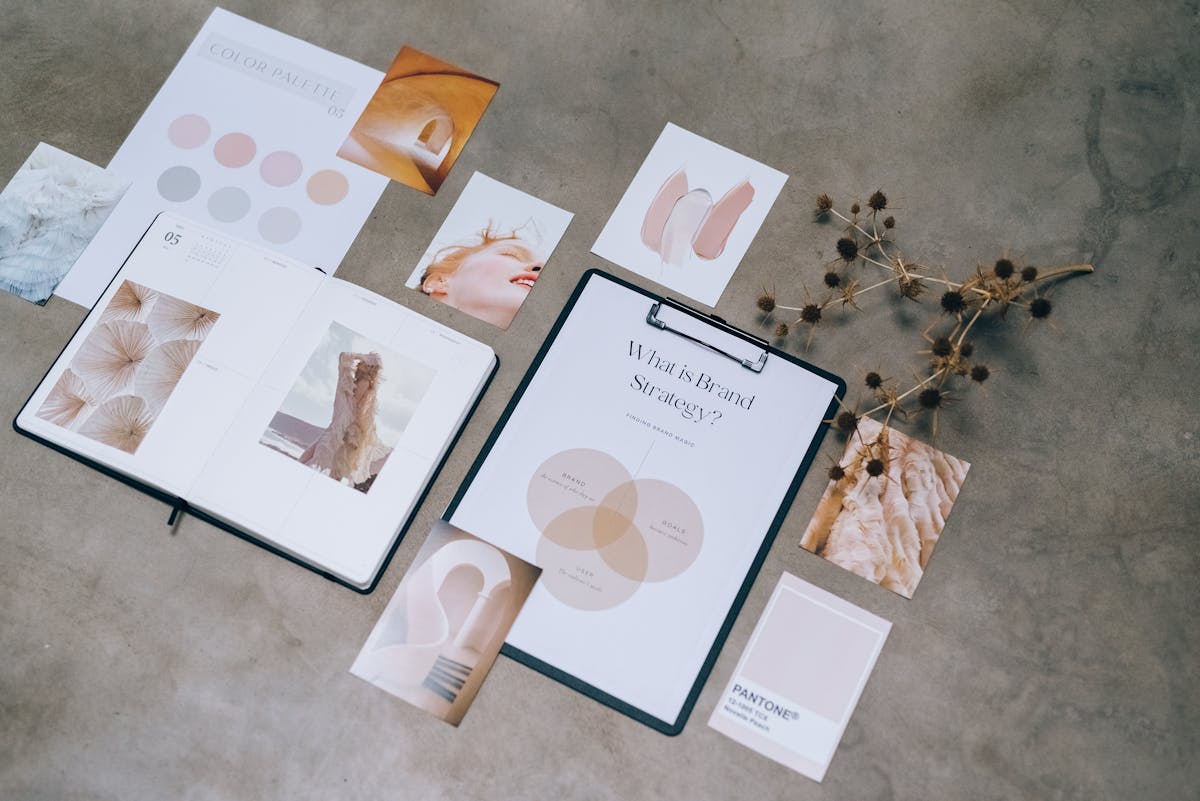
A consistent color palette improves brand recognition by up to 80%, and 33% of businesses report that consistent branding directly increases their revenue by 20% or more. Visual branding isn’t decoration. It’s a trust signal your audience processes in milliseconds.
For coaches and conscious entrepreneurs, visual consistency across platforms is especially powerful because your brand is you. When someone finds you on Instagram, clicks through to your website, then lands on your LinkedIn profile, those three experiences should feel like meeting the same person in three different rooms.
Here’s what to build first:
- Color palette: Choose 2-3 primary colors and 1-2 accents. Use them everywhere, from your website to your Instagram Stories to your slide decks.
- Typography: Pick 1-2 fonts and stick with them. A display font for headlines and a clean sans-serif for body text covers most needs.
- Professional photography: Invest in a personal brand photoshoot that captures you in your element, not a stiff corporate headshot, but images that show the real you in your work environment.
- Templates: Create branded templates for social posts, lead magnets, and presentations so everything looks cohesive without starting from scratch each time.
For real-world inspiration, browse our collection of personal branding examples from coaches and creators who’ve nailed visual consistency.
How Do You Build a Content Strategy That Positions You as an Authority?
Only 1% of LinkedIn’s users post content weekly, yet that 1% generates 9 billion impressions per week. The bar for standing out isn’t as high as most people assume. Showing up consistently with thoughtful, useful content puts you ahead of 99% of your peers.
A personal brand content strategy for coaches and conscious entrepreneurs should follow this framework:
Choose Your Content Pillars
Pick 3-4 topics directly tied to your expertise and your niche. If you’re a business coach for conscious entrepreneurs, your pillars might be: pricing and revenue, client attraction, mindset and alignment, and behind-the-scenes business building. Every piece of content you create should fall under one of these pillars.
Own One Primary Platform
Go deep on one platform before expanding. For most coaches and consultants, LinkedIn delivers the highest ROI. Personal LinkedIn profiles generate 561% more reach than company pages, making it the most effective organic platform for service providers.
Create a Weekly Rhythm
Research from Copyblogger found that 91% of successful LinkedIn creators post at least once every three days. You don’t need to post daily. You need a sustainable cadence you’ll actually maintain. One long-form piece per week, repurposed into 2-3 shorter posts, is enough to build serious authority over time.
Lead With Value, Close With Story
The most engaging personal brand content teaches something useful and then connects it to a personal experience or client transformation. This pattern builds both credibility and connection. Pure educational content feels cold. Pure personal content feels unfocused. The blend is where trust lives.
Content is also where SEO strategy and personal branding intersect. The articles you publish on your website rank in Google, bringing in new audiences for months and years. That’s the difference between rented attention (social media) and owned authority (your blog and website).
Why Is a Personal Brand Website Non-Negotiable?
Social platforms change algorithms constantly. Your email list can be banned. Your viral post disappears from the feed in 48 hours. Your website is the only digital asset you truly own, and 82% of people are more likely to trust a company when its leadership has a visible, professional online presence.
A personal brand website should accomplish four things:
- Communicate who you are and what you stand for within the first five seconds. Your headline, imagery, and above-the-fold messaging should make your ideal client think “this person gets me.”
- Showcase your expertise through case studies, testimonials, media features, client results, or a portfolio of your work.
- Capture leads with a clear call to action, whether that’s booking a discovery call, downloading a resource, or joining your email list.
- Rank in search through SEO-optimized content that drives organic traffic while you focus on serving clients.
Your website is the hub of your entire personal brand ecosystem. Social profiles point to it. Guest appearances link to it. Podcast show notes reference it. When everything flows back to a well-designed, strategically built website, every piece of visibility you generate compounds over time. Explore personal brand statement examples to see how strong positioning translates into website copy that converts.
How Does the Owned vs. Rented Media Distinction Shape Your Strategy?
Most personal branding advice focuses on social media, but there’s a critical distinction that separates sustainable brands from fragile ones: owned media versus rented media.
Rented media is any platform where someone else controls the rules. Instagram, LinkedIn, TikTok, YouTube, Twitter. You’re building on borrowed land. Algorithm changes, account suspensions, or a platform’s decline can erase years of work overnight.
Owned media is what you control completely: your website, your email list, your blog, your community. No algorithm decides who sees it. No platform can take it away.
The smartest approach is using rented media (social platforms) as discovery channels that funnel people into owned media (your website, email list, and community). Here’s how that looks in practice:
- LinkedIn or Instagram post earns attention and drives traffic to your website
- Website article ranks in Google, captures email subscribers via a lead magnet
- Email newsletter nurtures relationships on your terms, without competing for attention in a social feed
- Community or membership deepens the relationship and creates recurring revenue
This is the model we help our clients build at Lovepixel. It’s why we emphasize marketing strategy alongside design, because a beautiful brand without a distribution system is just expensive art.
What Role Does Storytelling Play in Personal Branding?
According to Edelman research, 73% of buyers trust thought leadership content more than traditional marketing materials. But what separates thought leadership that builds a personal brand from content that gets scrolled past? Storytelling.
The most effective personal brand stories fall into four categories:
- The origin story: Why you do what you do. What experience, failure, or transformation brought you here? This anchors your brand in something real and makes it impossible to copy.
- Client transformation stories: Specific results you’ve created, told with enough detail that your ideal client sees themselves in the “before” picture.
- Values stories: What you believe about your industry, your craft, or the world. This creates alignment with people who share your worldview and naturally filters out those who don’t.
- Vulnerability stories: A failure, a lesson, a moment of honest reflection. These build trust faster than any polished case study because they show the human behind the brand.
Weave these stories into your website copy, your social content, your podcast interviews, and your about page. People don’t remember bullet points. They remember how you made them feel, and whether they felt seen.


How Do You Grow Your Personal Brand Through Networking and Collaboration?
Building a personal brand in isolation is slow. Strategic collaboration accelerates everything. When someone your audience already trusts introduces them to you, that introduction carries weight no amount of solo content can replicate.
For coaches and conscious entrepreneurs, the most effective networking strategies include:
- Podcast guesting: Appearing on podcasts in your niche puts you in front of warm, engaged audiences. Most podcast hosts are actively looking for quality guests. Pitch 3-5 per month with a clear topic and your unique angle.
- Co-created content: Joint workshops, collaborative articles, or live conversations with complementary (not competing) brands. A brand strategist and a business coach, for example, make natural collaborators.
- Speaking engagements: Virtual summits, workshops, and local events position you as a go-to expert. Even small events compound over time as attendees share your ideas.
- Referral partnerships: Build relationships with professionals who serve the same audience but offer different services. One warm referral is worth more than a hundred cold leads.
Every collaboration is a trust transfer. When you show up in someone else’s world and deliver genuine value, their audience’s trust extends to you. Over time, this creates a network effect that no amount of solo posting can match.
What Is the Visibility Premium and Why Does It Matter?
Research from Hinge Marketing reveals a striking gap: experts with recognized personal brands, those they call “global superstars,” command 13.57x more pay than equally skilled professionals who lack visibility. The difference isn’t skill. It’s perception, positioning, and presence.
This “visibility premium” is especially relevant for coaches and consultants because your income is directly tied to how many of the right people know, trust, and remember you. Two coaches with identical training and equally effective methodologies will have wildly different businesses if one has a strong personal brand and the other doesn’t.
Building the visibility premium involves:
- Consistent publishing: Articles, videos, or social posts that keep you top-of-mind in your niche
- Media and partnerships: Guest appearances, collaborations, and features that introduce you to new audiences
- Search presence: When someone Googles your name or your niche, your website and content should dominate the results
- Social proof: Testimonials, case studies, and client results displayed prominently across your platforms
The compounding effect is real. Every article you publish, every talk you give, every collaboration you nurture adds another layer to your personal brand. After 6-12 months of consistent effort, the inbound opportunities start arriving, speaking invitations, podcast requests, clients who come pre-sold because they’ve been following your work.
If you’re a coach or conscious entrepreneur ready to build a personal brand that attracts premium clients, explore our personal branding services or check out our actionable branding tips to start today.

Frequently Asked Questions
How long does it take to build a personal brand?
Most coaches and entrepreneurs start seeing meaningful traction within 3-6 months of consistent effort. Research shows it takes 5-7 brand impressions before someone remembers you. The key variables are how clearly you’ve defined your niche, how consistently you publish content, and how cohesive your visual identity is across platforms. A focused personal brand with weekly content and a professional website gains traction significantly faster than one spread thin across too many audiences or topics.
What is the most important platform for building a personal brand?
Your website is the foundation because you own it completely. For social platforms, LinkedIn generates 561% more reach through personal profiles than company pages, making it the highest-ROI organic platform for coaches and B2B service providers. That said, Instagram and YouTube work well for visually-driven or video-first brands. The best approach is going deep on one social platform while using your website and email list as the hub.
How much should I invest in personal branding?
DIY personal branding through self-created content and free design tools costs time but little money. Professional brand strategy and website design typically ranges from $3,000 to $15,000+ depending on scope. The data makes a strong case for the investment: 33% of businesses report that consistent branding increases revenue by 20% or more. For established coaches and consultants, a well-executed brand investment typically pays for itself within the first quarter through higher-quality leads and increased pricing power.
Can I build a personal brand without being on social media?
Yes, though it’s harder. A strong website with SEO-optimized content, podcast guesting, speaking engagements, email marketing, and referral partnerships can all build a personal brand without a social media presence. The key is replacing social visibility with other forms of consistent exposure. Many introverted coaches build thriving practices through long-form content (blog articles and newsletters) and strategic partnerships rather than daily social posting.
What’s the difference between personal branding and business branding?
Personal branding positions you, the individual, as the authority. Business branding positions the company. For coaches, consultants, and solo service providers, personal branding is almost always the better investment because people buy from people they trust. As your business grows, the two can coexist: your personal brand drives trust and visibility while your business brand houses the systems, team, and scalable offerings. Read our full breakdown of personal branding vs business branding for a deeper comparison.