
Landing Page Best Practices
Most landing pages fail. The median conversion rate across all industries is just 6.6% (Unbounce, 2024 Q4 data from 41,000 landing pages), which means over 93% of visitors leave without doing anything. For coaches and conscious entrepreneurs investing in ads or organic traffic, that’s a painful waste of energy and budget.
Landing page best practices are the proven design, copy, and structural principles that turn more visitors into leads, subscribers, or clients. They’re not guesswork. They’re backed by data from millions of page views and thousands of A/B tests. At Lovepixel Agency, we’ve built over 500 websites and high-converting landing pages for personal brands and conscious businesses, and the patterns we see in the data are consistent: small, intentional changes create dramatic conversion lifts.
TL;DR: The highest-converting landing pages share common traits: one clear CTA, a benefit-driven headline, page load times under 3 seconds, mobile-first design, social proof near the action point, and minimal form fields. Top-performing pages convert at 11%+ while the median sits at 6.6%. Follow these data-backed practices to join them.
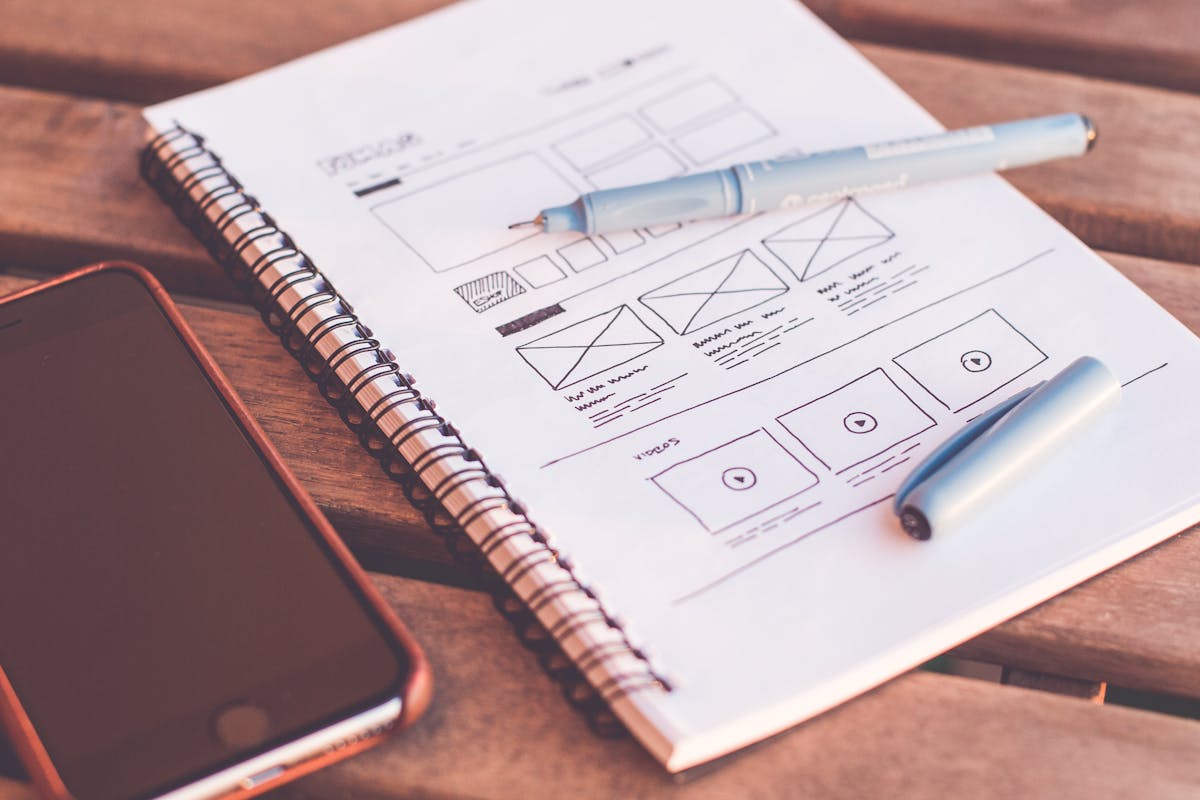
What Makes a Landing Page Convert?
A landing page that converts at 11.45% or higher (WordStream) puts you in the top 10% of all landing pages. That’s not luck. It’s the result of aligning every element on the page toward a single goal.
The fundamental difference between high-converting and low-converting landing pages comes down to clarity and focus. Pages that try to do too much, offer too many choices, or speak to too many audiences at once dilute their effectiveness. The best landing pages answer three questions instantly: What is this? Why should I care? What do I do next?
For coaches, speakers, and conscious entrepreneurs, this means your landing page isn’t your website homepage. It’s a focused destination with one offer and one action. Whether you’re promoting a free workshop, a discovery call, or a digital download, every element on the page should support that single conversion goal.
At Lovepixel Agency, we design every landing page around this principle. One page, one purpose, one path forward. That clarity is what separates pages that generate leads from pages that generate bounces.
How Important Is Your Landing Page Headline?
Headlines can increase conversions by 27% to 104% (Genesys Growth, 2026) when optimized properly. That’s the single widest performance range of any landing page element, which means getting your headline right (or wrong) has an outsized impact on results.
An effective landing page headline does three things: it names the specific problem your audience has, promises a clear outcome, and matches the message that brought them to the page in the first place. This last point, message match, is where most coaches and entrepreneurs slip up. If your ad says “Free 30-Minute Strategy Call for Coaches” but your landing page headline says “Welcome to Our Agency,” you’ve broken the visitor’s trust before they’ve even started reading.
Here’s what works:
- Lead with the benefit, not the feature. “Double Your Coaching Clients in 90 Days” outperforms “Our Coaching Business Program.”
- Be specific. Numbers, timeframes, and concrete outcomes create credibility. Vague promises don’t.
- Keep it under 10 words when possible. Short headlines get read. Long ones get skimmed.
- Use the visitor’s language. Mirror the exact words your audience uses to describe their problem, not industry jargon they don’t recognize.
Your subheadline expands on the promise with a supporting detail or proof point. Together, the headline and subheadline should take less than 5 seconds to read and immediately tell visitors they’re in the right place.
Does Page Speed Really Affect Landing Page Conversions?
Yes, and the data is unambiguous. Pages that load in under 3 seconds have a 32% higher conversion rate (Hostinger, 2026) than slower pages. Each additional second of load time costs roughly 7% in conversions (Genesys Growth), and 40% of visitors abandon a page entirely if it takes longer than 3 seconds.
For mobile visitors, this is even more critical. 82.9% of landing page traffic now comes from mobile devices (involve.me, 2026), yet 70% of mobile sites still take over 5 seconds to load (Amra & Elma). That gap represents a massive conversion opportunity for anyone willing to prioritize speed.
Practical speed improvements that make a real difference:
- Compress images using WebP format. Most landing page images can be reduced by 60-80% without visible quality loss.
- Minimize HTTP requests. Fewer scripts, fewer fonts, fewer external resources. Every request adds latency.
- Use a CDN to serve content from locations close to your visitors.
- Choose quality hosting. Cheap shared hosting will undermine everything else you do. We’ve seen hosting upgrades alone cut load times in half.
- Lazy load below-the-fold content so visitors see the above-fold elements instantly.
What Landing Page Layout Converts Best?
Shorter landing pages with clear CTAs perform 13.5% better (involve.me, 2026) than longer, more complex layouts. But “shorter” doesn’t mean “less information.” It means less friction, fewer distractions, and a tighter path from attention to action.
The highest-converting landing page structure follows a predictable pattern:
- Hero section. Headline, subheadline, primary CTA, and a relevant image or video. This is above the fold and answers: what, why, and what next.
- Problem section. Name the pain your audience feels. Use their words, not yours. This builds emotional connection and tells them you understand.
- Solution section. Introduce your offer as the answer to that problem. Be clear about what they get.
- Social proof. Testimonials, results, logos, or case studies. More on this below.
- CTA repeat. After you’ve built the case, present the action again. Many visitors won’t click the first CTA, they need to read more first.
- FAQ or objection handling. Address the 3-5 most common hesitations directly.
- Final CTA. One more chance to convert, with urgency or a reinforcing benefit.
Notice what’s not in this structure: navigation menus, sidebar widgets, footer links to unrelated pages, or multiple competing offers. Every link that doesn’t lead to your conversion goal is a leak in the funnel. The best landing pages remove the site navigation entirely, keeping visitors focused on one decision.

How Should You Design Your CTA Button?
CTA button design is one of the simplest, highest-impact changes you can make. Changing just the color of a CTA button can increase conversions by 21% (Blogging Wizard, 2026). In direct tests, red CTA buttons outperformed green ones by 20% on average, with one case study showing a 34% lift from a single color change.
But color alone isn’t the full picture. These CTA best practices consistently produce results:
- Use action-oriented text. “Get My Free Strategy Call” outperforms “Submit” every time. Make the button text describe the value the visitor receives, not the action they perform.
- Make it big and obvious. Your CTA should be the most visually prominent element on the page. If visitors have to look for it, you’ve already lost conversions.
- Create contrast. The button color should pop against the page background. If your site is blue, don’t use a blue button.
- Add a micro-commitment line below the button. A short line like “Free, no credit card required” or “Takes 30 seconds” reduces friction at the moment of decision.
- Repeat the CTA 2-3 times throughout the page. Visitors read at different speeds and reach their decision point at different sections.
One CTA, repeated strategically. That’s the pattern. Multiple different CTAs competing for attention dilute conversions. Stick with one action and make it feel easy and valuable.
How Many Form Fields Should Your Landing Page Have?
Fewer is almost always better. HubSpot’s research shows the majority of marketers use five fields in their forms, but reducing fields consistently improves completion rates. One case study found that cutting form length increased conversions by 120% (Genesys Growth, 2026), making it the highest-impact single optimization measured.
For coaches and service providers, the sweet spot depends on what you’re offering:
- Lead magnet download: Name and email only. Two fields. Maximum simplicity.
- Discovery call booking: Name, email, and one qualifying question. Three fields.
- Detailed consultation request: Up to 5 fields, but only if the value justifies the effort.
The trade-off is lead quality versus quantity. Fewer fields generate more leads but may include less qualified prospects. More fields pre-qualify but reduce volume. For most coaches and entrepreneurs starting out, volume wins. You can always qualify leads in the follow-up conversation.
One approach that works well: use a multi-step form. Ask for email first, then reveal additional questions on the next screen. By the time visitors have entered their email, they’ve already committed to the process and are more likely to complete the remaining fields. Multi-step forms can increase completions by 86% compared to single long forms.
Why Is Social Proof Critical for Landing Pages?
92% of consumers read testimonials (Trustmary, 2025) when considering a purchase or signup. Social proof isn’t optional on a landing page. It’s the element that bridges the gap between interest and action.
Video testimonials are especially powerful. Replacing text reviews with video testimonials can increase conversion rates by 80% (TestimonialStar, 2025), and pages with video testimonials see 86% longer visitor duration. Visitors who watch a client share their experience in their own words develop trust far faster than those reading a written quote.
The types of social proof that work on landing pages, ranked by impact:
- Video testimonials from real clients with names and context. 89% of consumers trust video testimonials from verified customers.
- Specific results and numbers. “Grew from 3 to 27 coaching clients in 6 months” is more persuasive than “Great experience!”
- Client logos or media mentions. If recognizable brands or publications feature your work, display them prominently.
- Star ratings and review counts. Aggregate ratings give visitors a quick trust signal without reading full testimonials.
- Case studies or before/after snapshots. For coaches and service providers, showing the transformation is more compelling than describing it.
Place your strongest social proof near your CTA buttons. That’s where doubt is highest and where a well-placed testimonial can push a visitor past hesitation. We build every coaching website at Lovepixel with social proof strategically positioned at decision points, not tucked away on a separate testimonials page.

How Do You Optimize Landing Pages for Mobile?
With 82.9% of landing page traffic coming from mobile (involve.me, 2026), mobile-first design isn’t a nice-to-have. It’s where the vast majority of your visitors will experience your page. Mobile-responsive landing pages convert at 11.7%, slightly higher than desktop-only pages at 10.7%.
Mobile optimization for landing pages means more than just responsive design. It requires rethinking the experience for thumb-driven navigation on smaller screens:
- Thumb-friendly buttons. CTA buttons should be at least 44×44 pixels and easy to tap without zooming. Place them within natural thumb reach.
- Readable text without zooming. Minimum 16px body font. If visitors pinch-to-zoom to read your copy, you’ve lost them.
- Stack content vertically. Multi-column layouts that work on desktop become cluttered on mobile. Single-column, top-to-bottom flow works best.
- Tap-to-call buttons. For service providers, make your phone number a tappable link. Mobile visitors are often ready to act immediately.
- Simplified forms. Use mobile-optimized input types (email keyboard for email fields, number pad for phone fields). Auto-fill compatibility reduces friction further.
- Compress aggressively. Mobile connections vary widely. A page that loads in 2 seconds on your office Wi-Fi might take 8 seconds on a visitor’s mobile data.
Test your landing page on actual mobile devices, not just a browser’s responsive preview. The experience of scrolling, tapping, and filling forms on a real phone reveals friction that desktop testing misses entirely.
Should You Use Video on Your Landing Page?
Video can significantly increase conversions, but only when used strategically. 79% of people have watched a testimonial video (Famewall, 2025) to learn about a company or its products, and businesses using video testimonials report an average 34% conversion rate increase (TestimonialStar, 2025).
The right approach to landing page video:
- Keep it under 2 minutes. Short videos that quickly establish the problem, introduce the solution, and end with a clear CTA perform best.
- Don’t autoplay with sound. Autoplaying video with audio is one of the fastest ways to annoy visitors and increase bounce rates. Use autoplay with muted video if you want motion, or let visitors choose to press play.
- Place it above the fold but alongside your headline and CTA, not replacing them. Some visitors prefer reading. Give them both options.
- Optimize for load time. An unoptimized video embed can add 3-5 seconds to your page load. Use lightweight video players and lazy load videos below the fold.
- Add captions. Many mobile users browse with sound off. Captions ensure your message lands regardless of audio settings.
For coaches and consultants, a short video where you speak directly to the camera can be incredibly effective. It lets visitors see your energy, hear your voice, and start building a personal connection before they’ve even booked a call. This is one of the reasons we always recommend video as part of a personal brand website strategy.
How Do You A/B Test Landing Pages Effectively?
Testing is what separates good landing pages from great ones. But most small business owners either don’t test at all or test the wrong things. Here’s how to approach it strategically:
Test one element at a time. If you change the headline, button color, and image simultaneously, you won’t know which change caused the result. Isolate variables.
Prioritize tests by potential impact. Based on data from Genesys Growth’s 2026 analysis, here’s the priority order:
- Form length reduction: up to 120% conversion lift
- Headline optimization: 27-104% lift
- CTA button changes: 20-34% lift
- Social proof placement: 15-30% lift
- Page layout changes: 10-15% lift
Run tests long enough. You need at least 100 conversions per variation to get statistically meaningful results. For lower-traffic pages, that might mean running a test for 2-4 weeks. Ending a test too early leads to false conclusions.
Use the right tools. Google Optimize alternatives like VWO, Optimizely, or even simple tools built into landing page builders like Unbounce or Leadpages make testing accessible without technical expertise.
For coaches and entrepreneurs running paid ads, A/B testing is non-negotiable. Even a 10% conversion improvement means 10% lower cost per lead, which compounds over every dollar you spend on traffic. At Lovepixel, we build CRO testing into every landing page project because the data always reveals surprises.
What Role Does AI Play in Landing Page Optimization?
AI-generated landing pages now show a 37% higher conversion rate (Genesys Growth, 2026) than manually created control pages, and AI personalization delivers a 40% conversion lift by tailoring page content to individual visitor behavior and demographics.
AI is changing landing page optimization in three practical ways:
- Dynamic content personalization. AI tools adjust headlines, images, and offers based on traffic source, visitor location, or past behavior. A visitor arriving from a Facebook ad about coaching sees different messaging than one arriving from a Google search about business consulting.
- Automated A/B testing. AI-powered platforms run multivariate tests simultaneously and automatically route traffic to winning variations, removing the manual effort of traditional split testing.
- Copy generation and optimization. AI can generate headline variations, CTA text, and body copy at scale, then test them against each other to find top performers.
This doesn’t mean you should hand your landing page entirely to an algorithm. AI works best when guided by human strategy, brand voice, and genuine understanding of your audience. At Lovepixel’s AI strategy practice, we use AI to accelerate testing and personalization while keeping the creative direction rooted in authentic brand communication.
What Are the Biggest Landing Page Mistakes to Avoid?
Knowing what not to do is just as valuable as knowing what works. These are the most common mistakes we see when auditing landing pages for coaches and entrepreneurs:
- Multiple CTAs competing for attention. “Book a call,” “Download the guide,” “Join the newsletter,” and “Follow us on Instagram” on the same page. Pick one. The others belong on different pages.
- Navigation menus on landing pages. A site header with 7 links gives visitors 7 reasons to leave without converting. Remove navigation from landing pages entirely.
- Stock photos with no connection to the offer. Generic handshake photos and smiling-person-at-laptop images erode trust. Use real photos of you, your clients, or your work. If you must use stock photos, choose ones that feel authentic and specific.
- Writing at too high a reading level. Landing page copy written at the 5th to 7th-grade reading level converts at 11.1% (involve.me, 2026), the highest of any readability bracket. Simpler language performs better because it requires less cognitive effort from visitors who are scanning, not studying.
- Ignoring the “above the fold” experience. If visitors have to scroll to understand what you offer or find the CTA, you’ll lose a significant percentage immediately. The core message and first CTA must be visible without scrolling.
- No mobile optimization. With over 80% of traffic on mobile, a landing page that only looks good on desktop is failing most of its visitors.
- Slow load times. We’ve covered the data above. If your page takes more than 3 seconds to load, you’re losing a third of potential conversions before anyone reads a word.

Frequently Asked Questions
What is a good landing page conversion rate?
The median landing page conversion rate is 6.6% across all industries (Unbounce, 2024). A “good” rate depends on your industry and traffic quality, but 10%+ puts you in the top tier. The top 10% of landing pages convert at 11.45% or higher. For coaches and service providers with warm traffic from email or social media, 15-20% is achievable with optimized pages.
How long should a landing page be?
Shorter landing pages with clear CTAs convert 13.5% better (involve.me, 2026) than longer ones. For simple offers like lead magnets or free calls, keep the page focused and concise. For higher-ticket offers where visitors need more information to decide, longer pages with multiple sections work better, but every section must earn its place by addressing a specific objection or building trust.
Should I use a landing page builder or custom design?
Landing page builders like Unbounce, Leadpages, or Elementor (on WordPress) are excellent for getting pages live quickly and running A/B tests without developer support. Custom design becomes worthwhile when your conversion volume justifies the investment and you need brand-specific experiences. For most coaches and entrepreneurs, a builder gets you 80% of the way there. A professionally designed landing page from an agency like Lovepixel closes the remaining gap with optimized UX, brand consistency, and conversion-focused design.
How many landing pages should I have?
As many as you have distinct offers, audiences, or traffic sources. Companies with 30+ landing pages generate 7x more leads than those with fewer than 10. Each ad campaign, audience segment, or lead magnet should have its own landing page with tailored messaging. The message match between your traffic source and landing page directly affects conversion rates.
Do I need to hire a professional for landing page design?
You can build effective landing pages yourself using templates and the best practices in this guide. However, a professional designer who understands conversion optimization can identify blind spots you’d miss, from visual hierarchy issues to copy that doesn’t match your audience’s awareness level. If your landing page drives significant revenue or ad spend, the ROI from professional optimization typically pays for itself within the first month.
Written by Chris, founder of Lovepixel Agency, where we’ve built over 500 websites and landing pages for coaches, speakers, and conscious entrepreneurs worldwide.
Local to Southwest Florida? Based in Naples or Southwest Florida? explore Lovepixel’s Naples FL local web design agency service. Naples-based, serving local coaches, conscious entrepreneurs, and small businesses across Southwest Florida.